
WHEN DOCUMENTATION BECOMES PUBLIC SERVICE
At a time when public discussion is often dominated by propaganda, insults and selective storytelling, Tochukwu Ogbuagu Kepukepu deserves commendation for using his platform to document the realities within our communities.
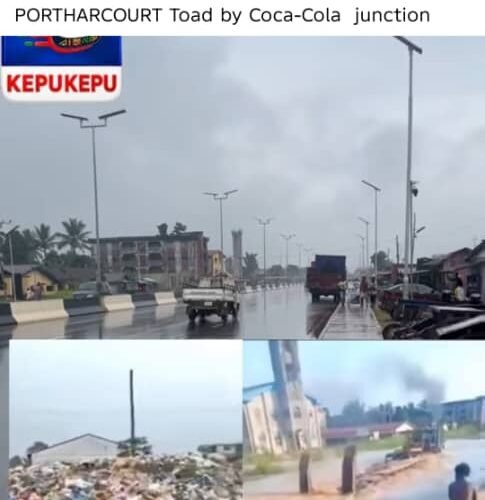
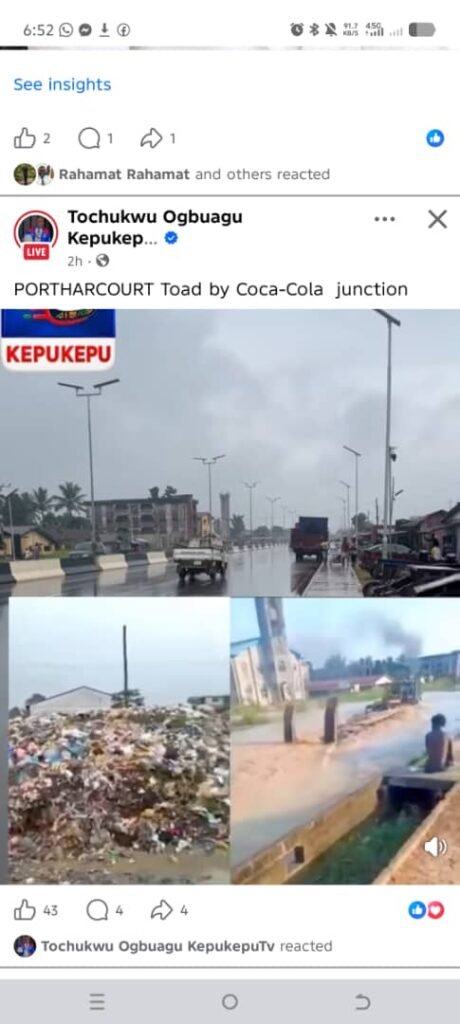
His presentation of the Port Harcourt Road axis around Coca-Cola Junction performs an important civic duty. It shows the reconstructed road, modern streetlights and improved traffic movement, while also drawing attention to the environmental and sanitation challenges that still require urgent intervention.
That balance is valuable. Genuine advocacy should acknowledge progress without pretending that every problem has disappeared.
The images reveal visible transformation: a wider and more orderly carriageway, concrete median barriers, streetlighting and improved urban mobility. At the same time, the heaps of refuse remind government agencies and residents that infrastructure cannot be separated from environmental discipline.
Development is not only about constructing roads. It also involves maintaining drains, controlling indiscriminate dumping, enforcing sanitation regulations and encouraging citizens to protect public assets.
Government can rebuild roads, install lights and improve drainage, but residents, traders, transport operators and waste-management agencies must help preserve these facilities.
Tochukwu Ogbuagu Kepukepu has demonstrated that a camera, when responsibly used, can become an instrument of accountability, development advocacy and social renewal.
Well done to the author for highlighting progress, exposing the sanitation challenge and reminding everyone that development must be built, protected and sustained.