
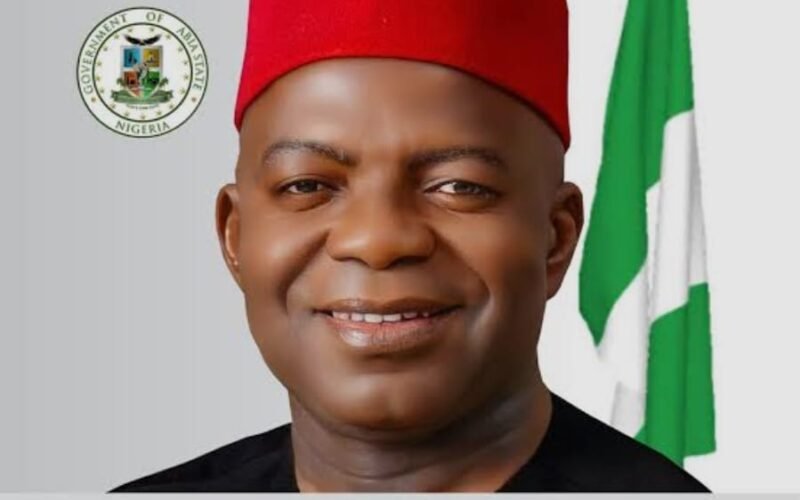
At 61: Otti’s Ideas, Reform, Resilience — and the Burden of Proof
As Dr Alex Chioma Otti, OFR, marks 61, his administration sits at a rare intersection in Nigerian subnational governance: high reform velocity, intense scrutiny, and relentless political contestation.
This is not merely a birthday milestone.
It is a governance stress-test.
Reform Under Fire
From tax alignment with federal reforms to energy independence positioning Abia outside grid collapse cycles, Otti has pushed structural shifts rather than ceremonial governance. Aba Smart City, digital ministries backbone, and WAN infrastructure reflect a technocratic state model emerging in real time.
Ideas Before Comfort
Rejecting Government House residency, confronting entrenched patronage networks, and insisting on fiscal disclosure culture signal a leader attempting institutional reset rather than accommodation. Reform, by nature, unsettles beneficiaries of the old order.
Resilience in Contest
Political speculation, defection rumours, AI propaganda claims, and expenditure debates illustrate the predictable backlash cycle of disruptive governance. Yet projects continue: power autonomy, digital governance architecture, urban economic transformation.
The Burden of Proof
Every reformer inherits suspicion. In Abia’s case, decades of distrust mean performance must not only exist — it must be seen, verified, and defended. Otti’s tenure now carries the classic reform paradox: delivery alone is insufficient; credibility must also be constantly proven.
At 61, the question before Abia is not whether scrutiny exists — it should.
The question is whether scrutiny will be guided by evidence or by inherited cynicism.
History shows: transformative subnational leaders are rarely comfortable figures in their first term.
They are contested.
They are doubted.
They are resisted.
But if institutions shift, their legacy outlives the noise.
At 61, Otti governs not in calm — but in consequence.
AProf Chukwuemeka Ifegwu Eke