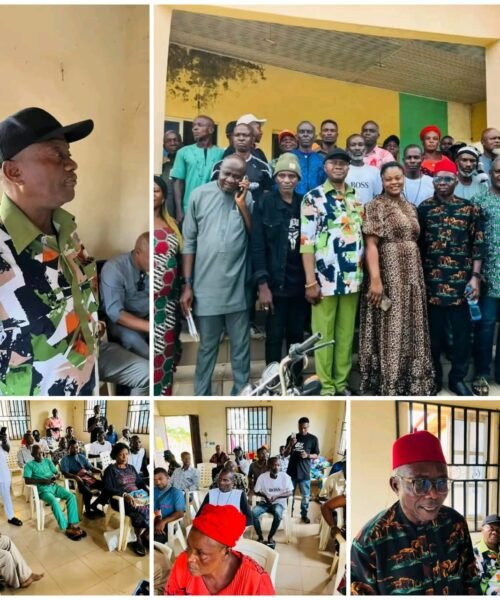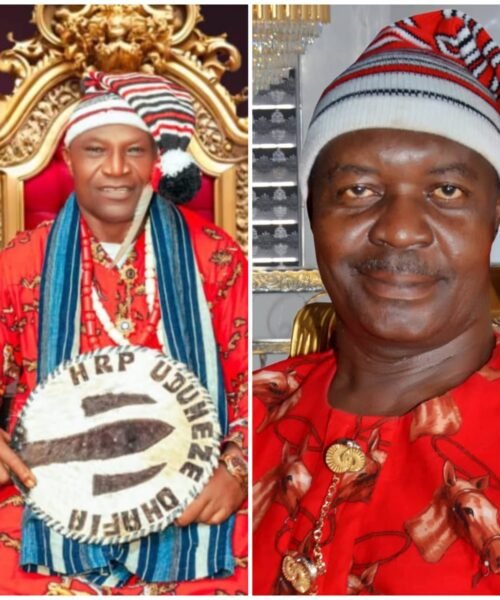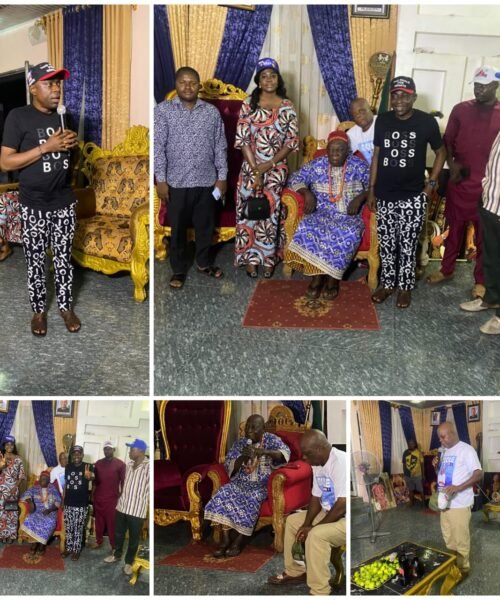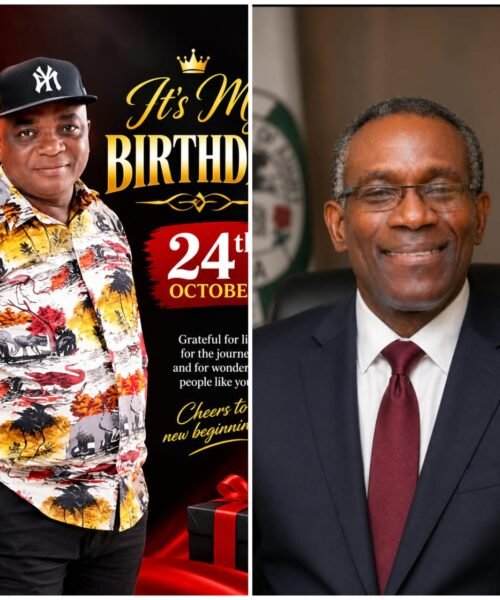


Conversations on the Safety of Lives and Property in Ohafia LGA
Ohafia Local Government Area, located in Abia State, Nigeria, boasts a rich cultural heritage and history. Historically known for their warrior tradition, the people have evolved over time, embracing education and modernization. However, like many communities, Ohafia LGA faces concerns regarding safety of lives and property.
Cultural Significance of Safety
In the culture, it’s taboo to ill-treat strangers, and anyone doing so faces consequences. This emphasis on hospitality and kindness reflects the community’s values. The people take pride in making a positive impact on others’ lives, fostering meaningful connections and earning respect.
Community Self-Help Projects
Community self-help projects play a significant role in improving rural dwellers’ quality of life. These initiatives can enhance safety by promoting collective responsibility and cooperation. By adopting community self-help schemes, the entire Ohafia LGA can leverage local resources to address safety concerns.
Challenges and Opportunities
Despite its cultural strengths, Ohafia LGA faces challenges. The presence of the Goodluck Jonathan Barracks, housing the 14 Brigade and 145 Battalion office complex, indicates a significant military presence. While this can provide security, it also raises concerns about potential conflicts.
To enhance safety in Ohafia LGA, her newest Mayor in the person of Hon. Chief Eleanya Ojuu Kalu intends to encourage community self-help projects to promote collective responsibility and cooperation, attract Investment in infrastructure, such as roads and public facilities, to improve overall quality of life, foster education and awareness programs to promote cultural values of hospitality and kindness.
He also intends to strengthen partnerships between community leaders and security agencies to address safety concerns.

By embracing these strategies, Ohafia LGA’s Mayor wants to build upon its cultural strengths, ensuring a safer and more prosperous community for all.
Dr Chukwuemeka Ifegwu Eke writes from the University of Abuja Nigeria.