
Kidnapping: Stop Spreading Fake, Unverified Pictures, Videos – Presidency Tells Nigerians
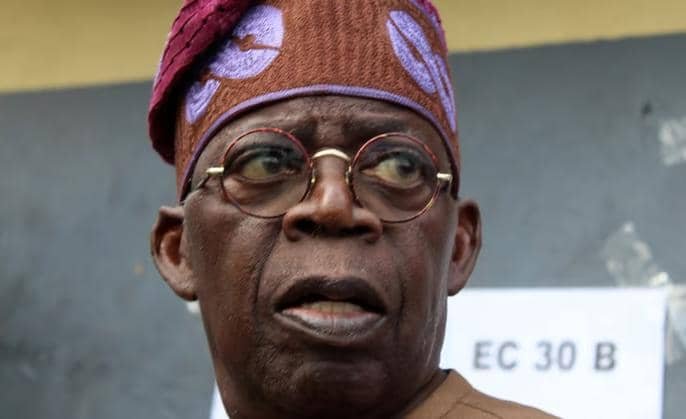
Special Adviser, Information and Strategy to President Bola Tinubu, Bayo Onanuga, has charged Nigerians to stop spreading fake pictures and videos about the killing of school children.
Onanuga charged Nigerians to always verify pictures and videos of school children being killed and kidnapped before sharing.
He was reacting to a video by Nigerian comedian, DeeOne, who shared a video and pictures of school children being killed.
The comedian cautioned Nigerians against spreading fake information due to the adverse effect.
He said: “90 percent of all these kidnapping and killing are fake news and many of these celebrities that started it know, they have been paid by opposition.
“People were kidnapped in Oyo State, let us focus on the real information, now they are spreading a lot of fake news just to cause unrest. Look at these pictures, all the celebrities are talking about it and it’s not Nigeria.”
Reacting, Onanuga posted on X: “Nigerians, stop spreading pictures and videos without verifying. We only have one Nigeria.”
In a related development, a Special Adviser to President Bola Ahmed Tinubu on Media and Policy Communication, Daniel Bwala, has attributed the slow impact of the administration’s economic reforms on ordinary Nigerians to the country’s large population and significant infrastructure deficit.
Speaking during an interview on ARISE News on Tuesday, Bwala said the federal government’s available resources, despite increased revenue generation, remain inadequate to address the needs of more than 230 million Nigerians and close longstanding infrastructure gaps.
According to him, the scale of Nigeria’s population means that the benefits of ongoing reforms will take time to be fully felt by citizens.
“The answer is simply population and resources. The population is over 230 million. The resources we have, however—even with the increased revenue—are not enough to match the population and the deficit in terms of infrastructure. So, growth will inevitably be slow, but it will be slow, steady, and consistent,” he said.